Celtic Park looked noticeably different on Saturday evening. Large gaps of empty seats told their own story during the Scottish Cup clash with Dundee, which drew a far smaller crowd than usual.
The low attendance wasn’t due to weather, match results, or kick-off time—it was a deliberate decision by the fans.
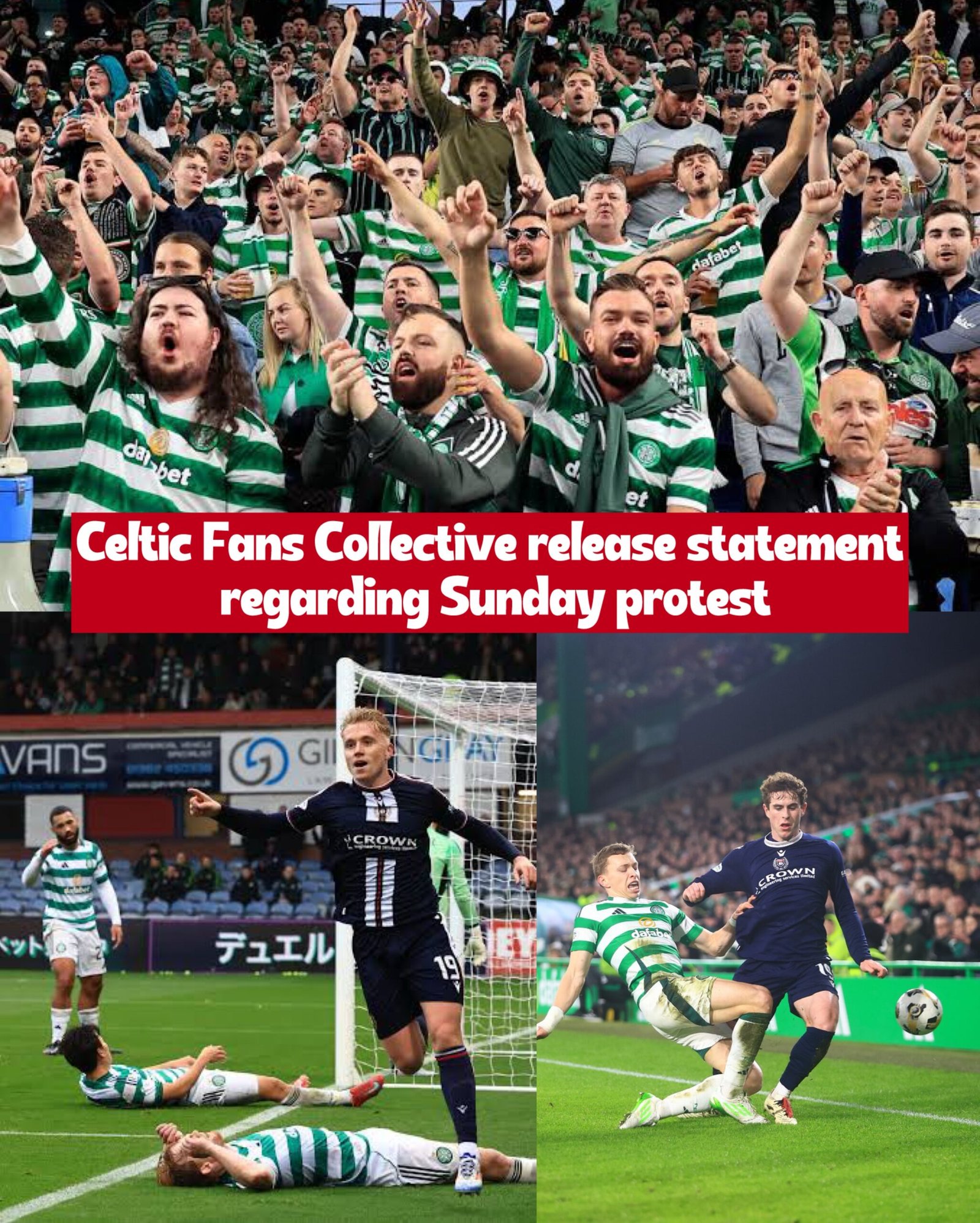
The Celtic Fans Collective had organized a boycott to protest the way the club is being run, and many supporters participated.
Only 24,120 fans were in the stadium, which has a capacity of just over 60,000. For a home cup tie with a trophy on the line, the figure stood out immediately. On the field, Celtic performed their duties, grinding out a win in extra time. But the absence in the stands was impossible to ignore, with patches of quiet in usually vibrant areas.
Supporters emphasized that the boycott was not meant to punish the players. Instead, it was designed to make their voices heard in a way that previous emails or statements had failed to achieve. Attendance itself was the message.
After the match, the Celtic Fans Collective released a statement thanking participants: “Your boycott sent a strong message. Thank you for taking part. What happens next matters more than the number itself.” The statement noted that the protest had already prompted a response from the club, including public remarks from interim chairman Brian Wilson and plans for discussions with supporter groups.
The statement concluded that the real test is whether these talks lead to meaningful change. Empty seats can open doors, but they won’t solve problems on their own.
With league and European matches ahead, the pressure from fans—whether in full stands or partially empty—will continue. Saturday’s boycott showed the power of organized supporters, leaving the question of whether the club will listen or if this is just the beginning of fan protest.
Leave a Reply