Kris Boyd has delivered a harsh critique of Patrick Stewart’s tenure as chief executive at Rangers, highlighting the many challenges and controversies that defined his short spell at Ibrox. Stewart, who was appointed CEO in November 2024, oversaw a turbulent period at the club, including the hiring and dismissal of four different managers, and his leadership was increasingly questioned by both staff and supporters.
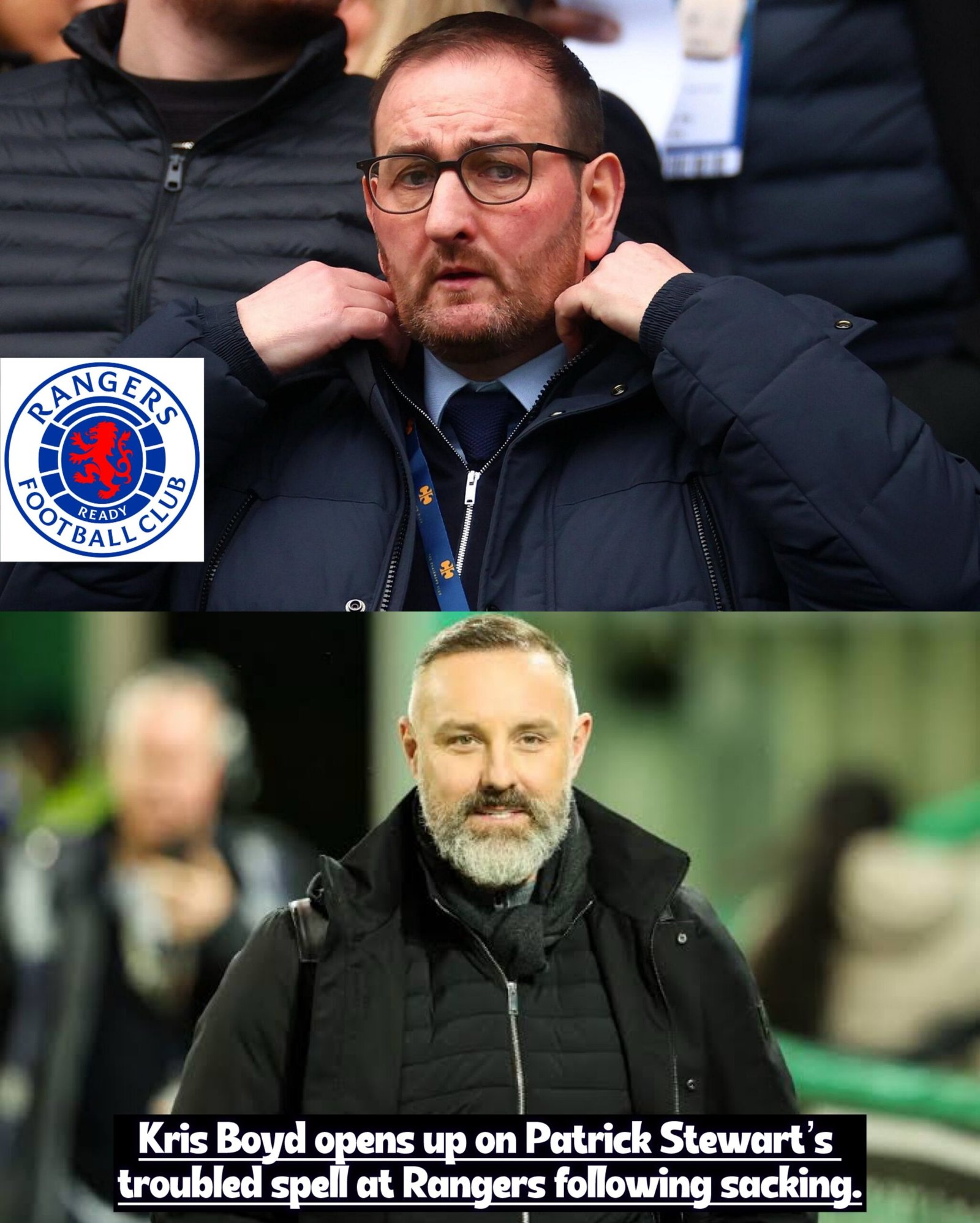
Speaking on The Warm-Up podcast on 24 November, Boyd shared insights he had gathered about Stewart’s time in charge, describing an environment that reportedly grew tense and unhappy for those working within the club.
According to Boyd, Stewart’s ambition to build a successful football organization from top to bottom was undermined by poor execution and management decisions, leaving staff frustrated and disillusioned. Negotiations with high-profile managers such as Kevin Muscat and Steven Gerrard fell through, which some attributed to the working relationship these candidates would have had with Stewart and sporting director Kevin Thelwell.
Boyd suggested that Danny Rohl’s decision to accept the managerial role may have been influenced by his previous experience working under difficult ownership at Sheffield Wednesday, or perhaps because he anticipated Stewart and Thelwell’s tenure would be short-lived. Stewart’s approach, Boyd noted, contributed to widespread dissatisfaction among fans, staff, and players alike, creating a tense atmosphere at Ibrox that eventually boiled over in public protests and fan unrest.
The former Rangers striker emphasized that the CEO’s repeated backing of underperforming managers, including Russell Martin, despite clear fan frustration, further eroded trust and credibility. Boyd highlighted that the hostile environment surrounding the club during Stewart’s tenure, particularly leading up to the Premier Sports Cup quarter-final against Hibernian, was indicative of just how unpopular Stewart had become.
Ultimately, Boyd framed Stewart’s dismissal as inevitable, noting that his leadership style and inability to stabilize the club left Rangers needing a fresh start and a more harmonious working environment for both staff and supporters.
Leave a Reply