Celtic’s ongoing dispute with parts of their fanbase shifted again on Friday night after the Green Brigade released a response to Brian Wilson’s appeal for dialogue and the boycott being organised by the Celtic Fans Collective.
What might have looked like a move toward easing tensions has instead underlined just how fractured the situation remains.
All of this is unfolding on the eve of Celtic’s Scottish Cup clash with Dundee. While the squad focuses on maintaining rhythm and performance levels on the pitch, events off it continue to dominate the conversation.
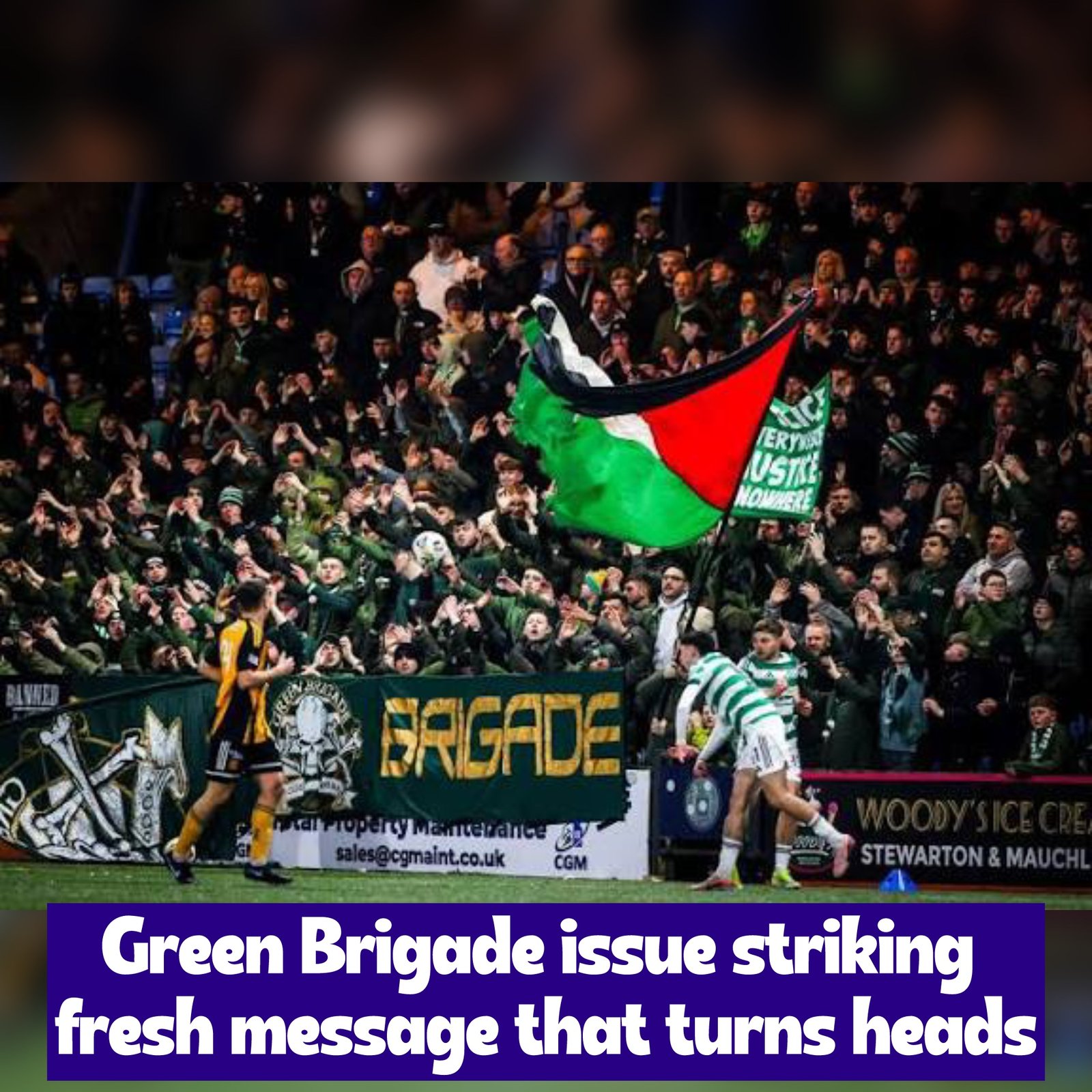
The Green Brigade revealed that the club has now agreed to hold talks with them — something that has not happened for a considerable period.
While that marks a notable development, their statement stresses that they do not view it as a solution in itself. Instead, they directed attention back to the Celtic Fans Collective, crediting the group’s campaign for bringing the protest movement to the forefront.
From their perspective, the key issue is not simply the club’s willingness to meet, but the structure of that engagement.
They argue that any serious effort to repair relations should start with the Collective, rather than through separate, private discussions with individual supporter groups. There is concern that the club may be reverting to past methods of dealing with fan bodies in isolation.
The dispute now represents more than a disagreement between one group and the board.
It raises broader questions about how Celtic communicates with its support during a period when trust has been strained and dissatisfaction has been simmering for months. In their statement, the Green Brigade said the club had backed down from its previous stance and agreed to meet them, but pointed out that this invitation was part of several separate approaches to different supporter organisations — notably excluding the Celtic Fans Collective.
While welcoming the chance for conversation, the Green Brigade insisted that a meeting between the club and the Collective should take priority, arguing that it represents the widest and most inclusive section of the support.
They praised the Collective’s campaign, highlighting that actions such as the planned boycott and other demonstrations have already influenced the club’s position.
They emphasised that unity among supporters is proving effective and warned against a return to what they describe as the old culture of handling fan groups individually and quietly. Instead, they called for a new approach to engagement based on openness, cooperation, and mutual trust.
Supporters were urged to continue applying pressure on the board until promises are matched by tangible action, with Saturday’s fixture presented as a key moment to show dissatisfaction. The message suggested that visible signs such as empty seats and reduced atmosphere could strengthen the protest’s impact.
For Celtic, the timing is far from ideal. As players and coaching staff prepare for an important cup tie, the off-field unrest adds another layer of noise.
O’Neill has already acknowledged how much crowd energy can influence tight matches, making the potential effects of a boycott significant.
Ultimately, the next phase will hinge not on statements, but on meaningful dialogue — specifically who is involved and how discussions are conducted.
Until that happens, the boycott plans remain in place, and the divide between sections of the support and the board continues to loom over the club.
Leave a Reply