Middlesbrough are firmly in the hunt for a return to the Premier League, enjoying a superb campaign under owner and chairman Steve Gibson.
Boro have been in the promotion picture from the outset and managed to maintain momentum even after manager Rob Edwards departed for Wolverhampton Wanderers in November.
His replacement, former Hammarby boss Kim Hellberg, has kept the Teesside club firmly in the race for an automatic promotion spot. Under Hellberg, Middlesbrough have arguably produced their most attractive and effective football in years.
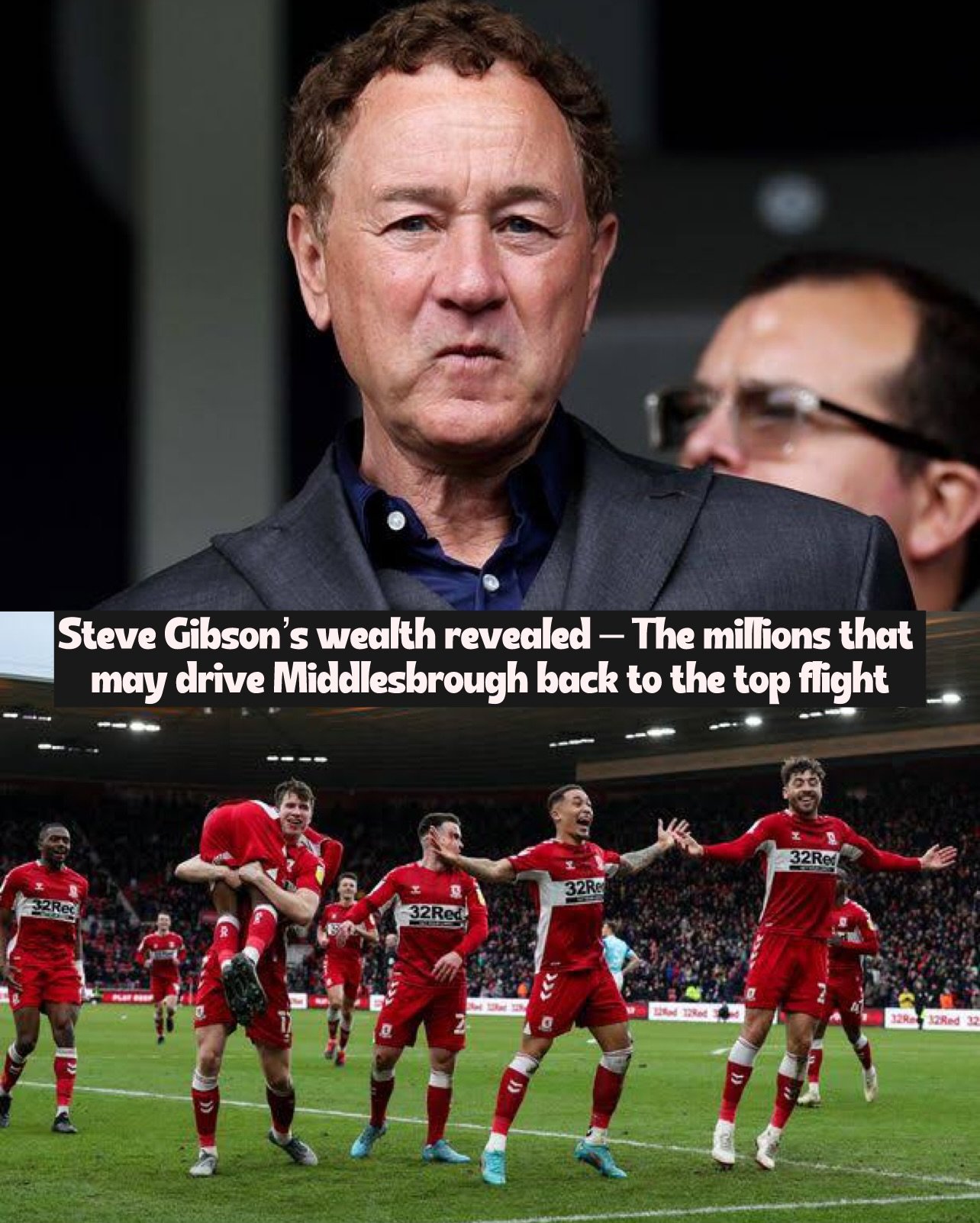
The club have endured several near-misses since their last Premier League stint roughly a decade ago, including the 2023 play-off semi-final loss to Coventry City during Michael Carrick’s tenure. However, this season feels different, with genuine belief they can go further.
Given that optimism, attention naturally turns to the financial backing behind the push — and the wealth Gibson brings to the table.
Steve Gibson’s fortune
A Middlesbrough native and lifelong supporter, Gibson has been connected to the club for more than four decades. He became a director at just 26 and, in 1993, purchased the shares previously held by Scottish & Newcastle before replacing Colin Henderson as chairman, eventually increasing his ownership stake to over 90%.
Gibson built his wealth through founding Bulkhaul Limited in 1981, a global logistics firm specialising in the transportation of liquids, powders and gases. The company continues to operate worldwide and forms the backbone of his fortune.
In the May 2024 edition of The Sunday Times Rich List, Gibson ranked 350th among the UK’s wealthiest individuals, with an estimated net worth of £640 million.
Gibson’s impact at Middlesbrough
As Premier League revenues have surged in recent years, Gibson’s substantial wealth still provides reassurance that Middlesbrough would be well positioned financially should they secure promotion.
Before the television boom of the early 2010s, Boro were established members of the Premier League and even enjoyed a period of notable success. After nearly going out of business in 1986, the club rebuilt under Gibson’s stewardship and lifted their only major trophy — the 2004 League Cup, defeating Bolton Wanderers in the final.
Now, with promotion back within reach, Gibson’s financial strength once again underpins hopes that Middlesbrough can return to — and compete in — England’s top flight.
Leave a Reply