Rangers Football Club has officially embarked on a major feasibility study aimed at shaping the long-term future of Ibrox Stadium, with the dual goals of potentially increasing capacity and overhauling the matchday experience for supporters.
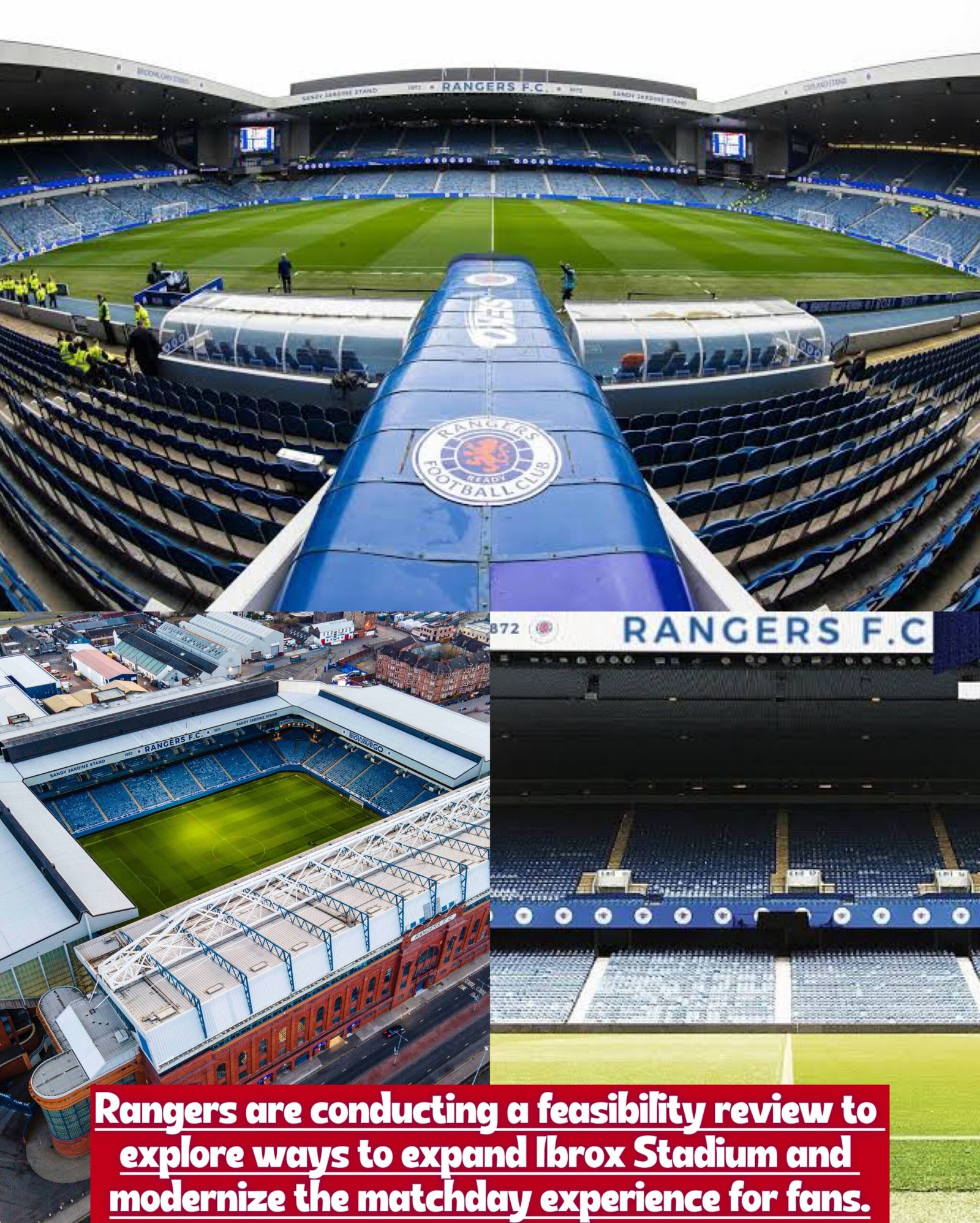
The project represents a landmark step in the club’s commitment to modernise its facilities while maintaining the heritage and identity that make Ibrox a historic cornerstone of Scottish football.
The feasibility programme will take an in-depth look at a wide range of factors, from stadium layout and infrastructure to the use of bars, social spaces, and hospitality areas. It will also examine the possibilities surrounding Edmiston House and the adjacent G51 site. Central to the study is the club’s stated mission to protect and celebrate Rangers’ heritage, ensuring that any future developments remain firmly rooted in the club’s history and connection to the Ibrox and Govan communities.
Fraser Thornton, Rangers’ interim chief executive, stressed the importance of community engagement as part of this process. He highlighted the significance of input from local residents, community groups, elected representatives, and supporters in shaping the club’s future. Fans will be invited to participate through surveys and consultation meetings, while a range of organisations—including the Fan Advisory Board, Rangers Supporters Association, the Disability Matters group, the Copland Collective, and Club 1872—will provide guidance and feedback throughout the programme.
“This is a pivotal project for Rangers,” Thornton said. “Our aim is to build for the future in a sustainable and ambitious way, while also identifying immediate steps that can improve the matchday experience for our supporters. The feedback from fans and stakeholders will guide our decisions and ensure that the choices we make reflect the needs and expectations of those who are most important to the club. Ultimately, this process will give us a clear set of options for both the short and long term.”
While increasing stadium capacity is an obvious consideration, the programme goes beyond simply adding seats. Rangers are keen to ensure that improvements enhance every aspect of the supporter experience, from accessibility and comfort to the quality of social and hospitality spaces. The goal is to create a modern, world-class environment that complements the club’s ambitions on and off the pitch, while remaining true to Ibrox’s historic identity.
The feasibility study will also provide a blueprint for the club’s strategic planning, offering a clear roadmap for immediate enhancements and longer-term developments. By engaging supporters and local stakeholders from the start, Rangers aim to ensure that any expansion or modernisation aligns with the broader vision for the club, reinforcing its role as a central pillar of the Glasgow community and an institution with a proud heritage.
Through this initiative, Rangers are demonstrating a commitment not only to sporting excellence but also to the cultural and social significance of the club. The proposed developments at Ibrox are designed to secure the stadium’s future, provide an improved matchday experience for fans, and reinforce the club’s long-standing connection to the Govan area, creating a sustainable model that balances modernity with tradition. In doing so, Rangers hope to ensure that Ibrox remains a home for generations of supporters while continuing to evolve as a leading football venue.
Leave a Reply