Celtic were drawn into an unusual narrative this week as journalists Peter Martin and Gordon Parks highlighted how the club responded to mounting pressure behind the scenes.
What started with remarks from Martin quickly expanded after Parks described his own experience at Celtic Park. Together, their observations shifted attention away from performances on the pitch and toward the club’s internal handling of scrutiny, with communication and authority becoming the central themes.

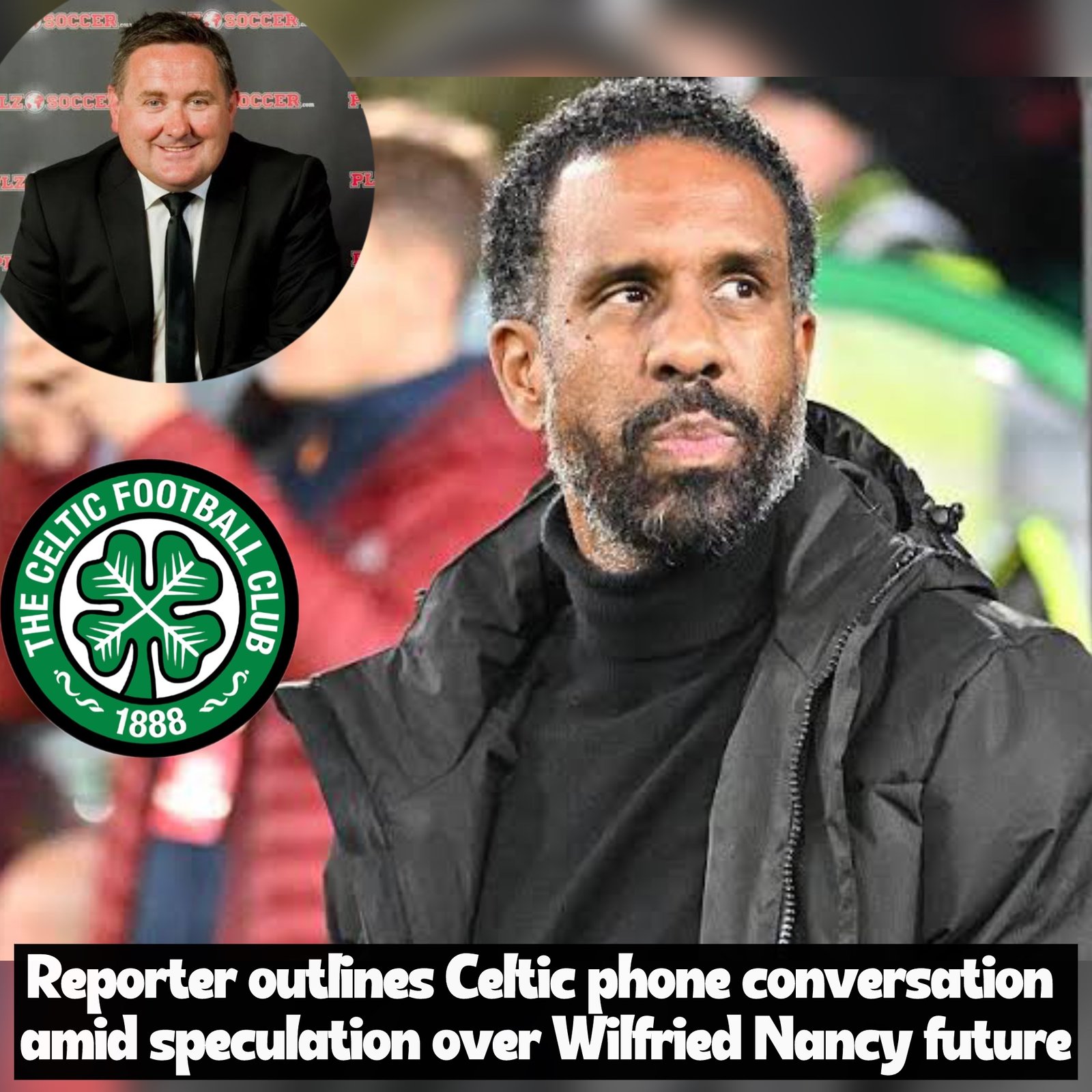
While Wilfried Nancy’s difficult run remains the backdrop, the key moment unfolded away from match action.
The situation was sparked by a social media claim suggesting talks had taken place regarding Nancy’s future. Celtic strongly denied this, but it was the nature of the response that drew attention. Rather than issuing a brief public statement, the club contacted Martin directly and made a concerted effort to push back against the narrative within the stadium itself.
That approach stood out because Celtic are typically discreet in moments like this. Personal engagement with individual reporters is uncommon, particularly during periods of poor form.
When both Martin and Parks separately reference a firm reaction, it points to a level of strain that feels more intense than standard media management. It is also important to clarify what this episode does not represent. There has been no official announcement regarding Nancy’s position, nor any confirmation that internal discussions about his future are taking place. The story centres on the response itself and why it has drawn notice.
Speaking on PLZ Soccer, Martin said he received a call from Celtic disputing the claim, which he accepted, but noted the tone used during the exchange. He suggested the conversation carried a sarcastic edge and referenced previous tensions with the club’s PR department, including past disputes over reporting accuracy. He also dismissed suggestions that journalists have direct access to senior Celtic figures, describing such claims as unrealistic.
Parks added that upon arriving at Celtic Park, club representatives were keen to emphasise that Martin’s report was false, using stronger language than usual. He told fellow journalists that, based on his knowledge of Martin’s work and contacts, he did not believe such a claim would be published without credible grounding.
What stands out is not the denial itself, but how assertively it was delivered. While clubs do sometimes challenge reports directly, Martin’s description suggests frustration rather than a measured rebuttal.
Parks’ account does not confirm the original claim, but it does reinforce how strongly the message was being pushed at the ground. That can be interpreted as Celtic ensuring their stance was clearly communicated during a tense period, rather than reacting without cause.
The broader context is impossible to ignore. Results have faltered and supporter pressure is growing, and in such circumstances even routine communication can feel heightened or loaded.
Martin’s reference to previous interactions with Celtic’s PR team adds further context, hinting at an ongoing pattern. From the club’s perspective, however, it may simply reflect a continued effort to tightly manage sensitive situations when scrutiny is at its highest.
Leave a Reply